
Defect report template
Updated September 13, 2026
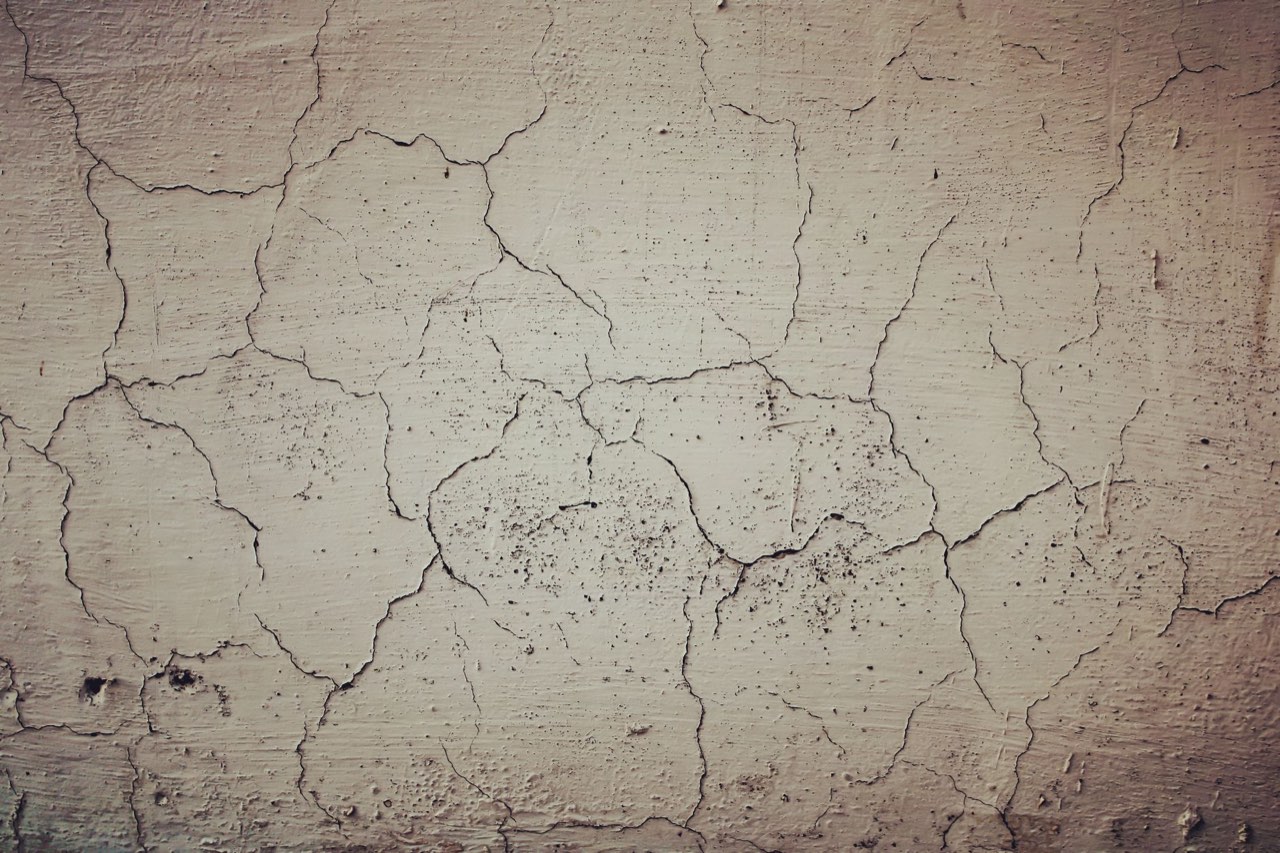
A defect report has to survive somebody reading it and saying that is not a defect. That is what separates it from a punch list: the work was finished, somebody signed it off, and raising it now means making a case.
The case is made one entry at a time, each holding one defect, what it fails against, and a photograph taken on a known date.
One defect per entry, even when you found nine
The temptation is to write "cracking and damp throughout the east elevation" because that is what you saw. It is one sentence covering nine locations, and it cannot be closed. Half gets fixed, somebody marks the entry done, and the rest returns a year later with no record that it was reported.
One defect, one entry, one reference number, permanent and never reused. When two share a cause, say so in both and keep them separate, because they get repaired by different people on different days.
A defect also has to fail against something. A thing you dislike is not a defect, and if you cannot name what it fails against you have a variation request, which belongs in a different letter.
Name what the work fails against, in the entry
This field separates a defect report from a complaint, and most templates leave it out.
| The work fails against | Example of what goes in the field |
|---|---|
| A drawing | Architectural drawing A-204 rev C, soffit detail at grid 4 |
| A specification clause | Spec section 07 92 00, clause 3.4, joint width 10mm nominal |
| A manufacturer instruction | Membrane manufacturer's fixing guide, 150mm minimum upstand |
| A code or standard | The applicable local code clause for guard height |
| Performance in use | Water penetrating the reveal in rain from the south west |
The last row is for when nothing written is breached but the thing does not work. It is weaker and still legitimate. What is not legitimate is leaving the field empty and hoping the photograph speaks for itself.
Ten fields, and no free text box
| Field | What goes in it |
|---|---|
| Ref | Permanent, sequential, never reused |
| Date found | The day you saw it, not the day you typed it up |
| Reported by | A named person |
| Location | Building, level, room or grid, and the surface |
| Element | What the thing is: render, glazing, soffit, valve |
| Description | What is wrong, in one sentence, with a measurement if there is one |
| Fails against | The drawing, clause, instruction or performance from above |
| Photos | Two at minimum, see below |
| Severity | One of three, see below |
| Response due | A date, not "ASAP" |
There is no notes field, deliberately. A free text box at the end of an entry fills with speculation about cause, and that is what turns a two week repair into a six month argument.
The location has to be walkable a month from now
"East elevation" is not a location. Whoever repairs this has never met you and will be outside in November with a printout. "East elevation, second floor, third window opening from the north corner, head reveal" is a location, and so is a grid reference where the building has one.
Measurements belong in the description, not the photo caption. "Crack, approximately 400mm long, widest at 3mm near the reveal" can be rechecked next year. "Significant cracking" cannot.
Two photographs, because each does a different job
The first is the defect: close enough that the failure is obvious, with something in frame for scale. A tape, a coin, a pen. Somebody will ask how wide the crack is, and the answer should be in the picture as well as the text.
The second is the location: taken from several paces back, showing the defect against a door, window, column or corner, so a stranger can find it. This is the one everybody skips and the one the repair crew needs.
Both carry the date. A defect raised inside a liability period turns on when it was found, and a photo whose date is only your word for it is doing less work than you think.
Three severities, because five get argued about
Immediate: a safety risk or active water ingress. Somebody attends now and the report follows.
Significant: the element does not do its job. Water gets in, the guard is too low, the seal has failed. The bulk of any real report.
Minor: cosmetic, and the element works. Chips, staining, a poor joint line where nobody stands.
Five point scales invite an argument about whether something is a three or a four, and that argument replaces the one about fixing it. Severity sets the response date, not the tone.
A filled example, from a building that does not exist
Property: Alder Court, 14 Weyburn Street. Inspected September 13, 2026 by M. Ferreira, building surveyor. Defects liability period ends March 2, 2027.
| Ref | Location | Element | Description | Fails against | Severity | Response due |
|---|---|---|---|---|---|---|
| 1 | East elevation, L2, third opening from the north corner, head reveal | Render | Horizontal crack from the window head, approximately 400mm long, 3mm at its widest | Spec 09 24 00 cl. 3.2, no cracking above 0.3mm | Significant | Sept 27 |
| 2 | Unit 4, bathroom, north wall at the bath junction | Sealant | Bead debonded from the tile the full length of the bath, water reaching the substrate | Manufacturer fixing guide, primed substrate required | Significant | Sept 27 |
| 3 | Roof level, plant enclosure, west gate | Ironmongery | Gate self closer does not latch, gate stands open in wind | Drawing A-410 rev B, self closing and self latching | Immediate | Sept 15 |
| 4 | Ground floor lobby, south wall behind the mailboxes | Paint | Patch of differing sheen approximately 300mm square, from an earlier repair | Performance in use, appearance only | Minor | Oct 11 |
| 5 | Unit 9, kitchen, under the sink | Waste pipe | Slow leak at the trap connection, cabinet base swollen and stained approximately 200mm across | Performance in use, joint not watertight | Immediate | Sept 15 |
Entries 3 and 5 got a September 15 date because somebody could be hurt or the damage is spreading. Entry 1 is the one that will be disputed, which is why the clause number sits in the row rather than a covering email.
Entry 4 is worth including precisely because it is minor. A report listing only serious items reads as a negotiating position. One that lists everything, correctly graded, reads as a survey.
Ask for a remedy or for a proposal, and say which
"Reseal the bath junction to the manufacturer's instruction, including priming the substrate" is a remedy: you know what should happen. "Investigate the water ingress at the L2 head reveal and propose a remedy" is a request for one. Use the second whenever the cause is behind something, because instructing a repair you guessed at gives the other side a defence when the guess turns out wrong.
What weakens an otherwise good report
Assigning cause before anyone has opened the wall. Write what you see, request an investigation, and let the cause come out of it.
Entries that fold in a change you always wanted. It shows, and it makes every other entry look opportunistic.
Reissuing the report with renumbered entries. Reference 7 has to mean the same thing in December that it meant in September.
Sitewise covers the capture on iPhone and iPad: both photographs, a dictated description that transcribes on the device, and a sketch when an arrow is the only way to point at the failure. On a Pro iPhone or iPad with a LiDAR scanner, two taps in the camera give a dimension drawn on the photo and printed in the report, which gets the crack width without a tape. Every capture is timestamped and, with location on, carries a GPS pin, and it works offline in a plant room. The inspection exports as a PDF or DOCX. It does not track assignments, chase responses or collect signatures.
For closeout rather than a liability period, the snag list template and the punch list template cover the shorter form, where nobody argues about whether the item counts.
The reports that get repaired quickly are rarely the strongly worded ones. They are the ones where every entry named a clause, a place and a date, leaving the recipient nothing to answer except the work.
Questions people ask
- What is the difference between a defect report and a punch list?
- Timing and burden of proof. A punch list is the run of unfinished and imperfect work found at the end of a job, and nobody usually disputes that the items are yours to fix. A defect report is raised against work that was already finished, often already paid for, and it has to establish that the thing is a defect at all. That is why a defect entry names the drawing, specification or manufacturer instruction the work fails against, and a punch item usually does not.
- What should a defect report include?
- One defect per entry, with a permanent reference number, the date it was found, a location precise enough to walk to without a guide, what the work fails against, at least two photographs, the remedy being requested, and a date for a response. Anything that cannot be photographed needs a description good enough to stand without one, and most descriptions are not.
- Who writes the defect report?
- Whoever found it, which is usually the owner, the building manager, or a consultant inspecting on their behalf. During a defects liability period it is often the client raising them against the contractor. The person who writes it is not the person who decides the cause, and a report that assigns blame before anyone has opened the wall tends to make the argument longer rather than shorter.
Related guides
- Snag list template
A snag list template with one row per snag and a dated photo on each: the fields that get a snag fixed, how to word one, and a filled handover example.
- Punch list template
A punch list template built to close items, not collect them: the six columns worth keeping, how to word an item so a sub can act on it, and a filled example.
Write this report on site, not in the truck.
Sitewise turns photos, voice notes, sketches, and typed observations into a PDF or DOCX before you leave. iPhone and iPad, iOS 26 or later.
Get the app